Walking the Path of Right Relations: A Learning Journey
Building the relationships, readiness, and collaborations needed to care for lands and waters together
The first cohort of Walking the Path of Right Relations brought together 33 leaders from 10 conservation organizations across California alongside Indigenous leaders, Tribal communities, and partner organizations for a 15-month learning journey. Together, participants were supported to:
Build a deeper understanding of Indigenous histories, worldviews, and approaches to caring for lands and waters.
Strengthen the commitment, confidence, and organizational readiness needed for respectful, reciprocal partnerships with Indigenous Peoples.
Develop new collaborations, organizational practices, and conservation initiatives that advance Indigenous leadership and long-term stewardship.
Why this project matters
Across California, conservation organizations and Indigenous Peoples share deep commitments to caring for lands and waters, yet authentic partnership has often been difficult to achieve. Many organizations have inherited systems, structures, and ways of working that unintentionally create barriers to collaboration, even when there is genuine goodwill.
Walking the Path of Right Relations was created to help address these underlying conditions. The Learning Journey focused on building the shared understanding, relationships, trust, and organizational readiness that make enduring partnerships possible. By strengthening these foundations, participants were better prepared to work alongside Indigenous communities in ways that support Indigenous priorities, self-determination, and more collaborative approaches to stewardship.
The work
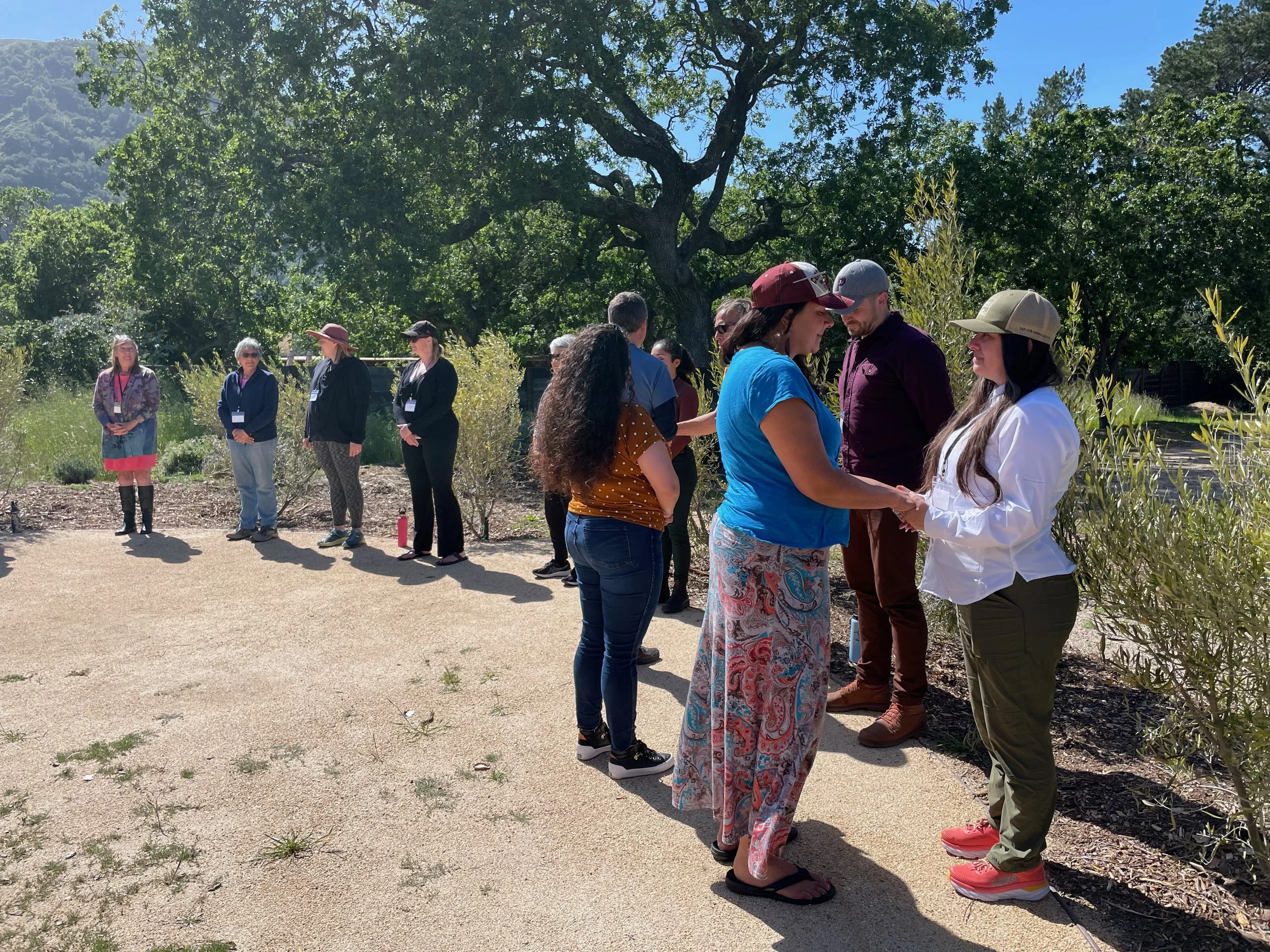
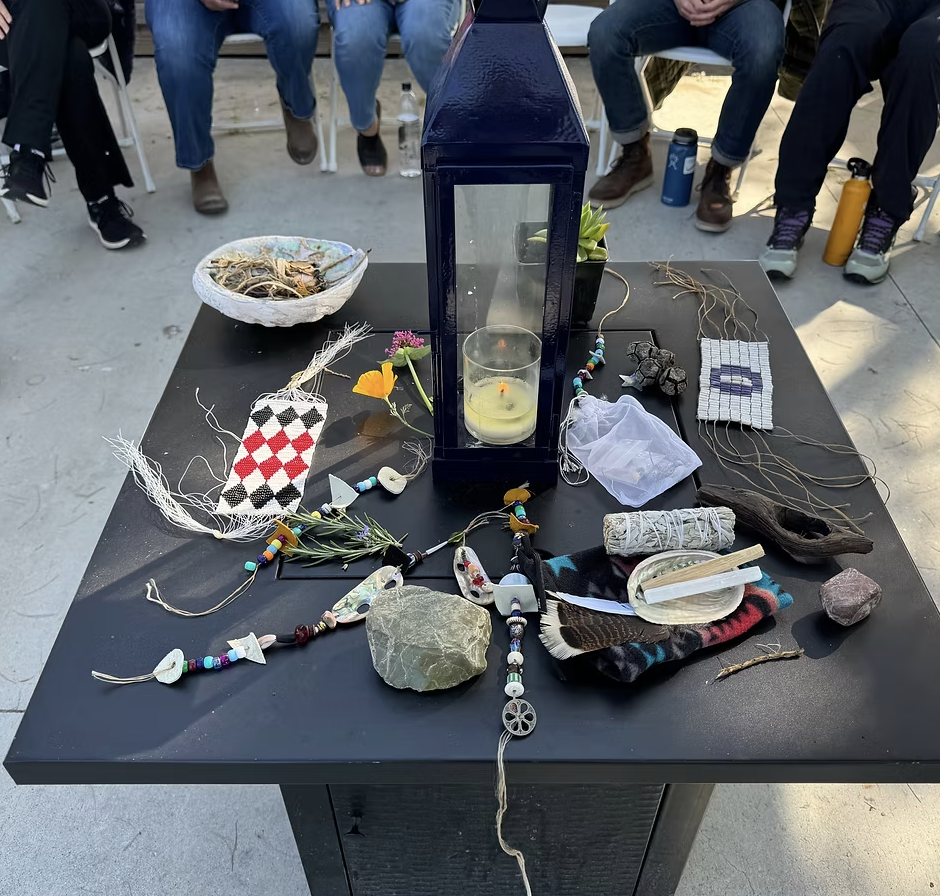
Over fifteen months, participants engaged in immersive on-the-land learning with Tribal communities, virtual sessions on Indigenous history and contemporary issues, peer learning, working groups, and facilitated reflection. Together they explored Indigenous histories, conservation systems, organizational change, and practical pathways for building partnerships rooted in reciprocity, responsibility, and right relations.
Participants came away with:
A deeper understanding of Indigenous histories, governance, stewardship practices, and contemporary priorities.
Practical examples of partnership, including ancestral land return, co-management, cultural easements, Indigenous-led restoration, and access for ceremony and cultural practices.
New frameworks for strengthening organizational readiness, changing institutional practices, and supporting Indigenous leadership.
Stronger relationships with peers and Tribal communities that continue to support collaboration beyond the Learning Journey.
The Impact
The Learning Journey helped transform isolated efforts into a growing network of enduring relationships. Participants developed the knowledge, confidence, humility, and organizational practices needed to partner differently, while conservation organizations began changing how they approach relationships with Indigenous Peoples. Those shifts created the conditions for new collaborations that continue to influence conservation across California.
By the numbers
33 conservation leaders participated.
10 organizations collaborated across California.
29 partnership projects with Tribal communities were influenced.
16 land trust–Tribe partnerships advanced work across the rematriation spectrum.
25,000+ acres were influenced through collaborative stewardship and partnership projects.
$3 million+ in collaborative funding was secured.
3 full-time and 8 part-time Tribal stewardship and education positions were created.
Participating museums and aquariums collectively welcome more than 2 million visitors and 27,000 students each year, creating new opportunities to integrate Indigenous perspectives into public education and conservation.
The Learning Journey also strengthened the human and organizational capacities that make long-term collaboration possible. Participants reported greater confidence communicating about Indigenous leadership in conservation, stronger understanding of the complementarity of Indigenous and Western approaches to stewardship, greater confidence building partnerships with Tribal communities, new collaborative relationships, and widespread adoption of new organizational practices for engaging and supporting Indigenous Peoples.
“The Learning Journey re-wired me to listen first to Native partners’ needs, then respond in service, rather than prioritizing our organization’s needs first.”
“The relationships would not have been possible if not for the Learning Journey.”
“Learning Journey group is filled with integrity... I don’t have to worry if someone is safe.”
Participating organizations
Big Sur Land Trust • Elkhorn Slough Foundation • Land Trust of Santa Cruz County • Monterey Bay Aquarium • Pacific Grove Museum of Natural History • Ventana Wilderness Alliance • Eastern Sierra Land Trust • Sierra Foothills Conservancy • Land Conservancy of San Luis Obispo County • Monterey County Health Department
Who we gathered with
Opening with Cayguga Faithkeeper Norma Jacobs, Dr. Tim Leduc, and Esselen Elder Cari Herthel
Ohlone Costanoan Esselen Nation
Rumsen Ohlone Tribal Community
Southern Sierra Miwok Nations
Esselen Tribe of Monterey County
Confederation of Ohlone People
Amah Mutsun Tribal Band
Former Tribal Chairwoman of the Fond du Lac Band of Lake Superior Chippewa, Karen Diver
Dr. Beth Rose Middleton Manning, Professor in Department of Native American Studies, University of California Davis
Dr. Martin Rizzo-Martinez at University of California, Santa Cruz
Brenda Rubio and Gilman Miller of the Trust for Public Land,; Athena Hernandez, General Counsel of the Amah Mutsun Land Trust and Ellen Fred of Conservation Partners
Kate Dempsey, Executive Director of The Nature Conservancy in Maine